Crafting Your Own Oasis: The Ultimate DIY Homemade Massage Oil Guide
There’s something uniquely satisfying about taking your well-being into your own hands. In our busy lives, moments of tranquility are precious, and few things soothe the soul quite like a relaxing massage. While store-bought options abound, there’s an unparalleled charm and benefit to creating your very own
diy homemade massage oil. Not only does it allow you to control every ingredient, ensuring purity and tailoring to your skin's needs, but it also opens up a world of aromatic customization, transforming a simple touch into a therapeutic experience. Imagine a blend perfectly designed for unwinding after a long day, or an invigorating mix to reawaken tired muscles. This comprehensive guide will walk you through everything you need to know to concoct your perfect homemade massage oil, making it an ideal personal indulgence or a thoughtful, personalized gift.
Understanding Carrier Oils: The Foundation of Your Blend
At the heart of every effective massage oil lies a carrier oil. These are vegetable oils derived from the fatty parts of plants, such as nuts, seeds, or kernels. They serve a crucial purpose: to "carry" the more potent essential oils safely to your skin while providing their own nourishing benefits. Choosing the right carrier oil is the first and most vital step in your
homemade massage oil journey.
Here are some popular and highly recommended carrier oils, each with unique properties:
*
Jojoba Oil: Often lauded as the "liquid gold" of carrier oils, jojoba (pronounced ho-ho-ba) is technically a liquid wax, making its composition incredibly similar to our skin's natural sebum. This allows it to be readily absorbed without feeling greasy, making it an excellent choice for all skin types, including oily or acne-prone skin. It’s also very stable and has a long shelf life.
*
Sweet Almond Oil: A classic choice for massage, sweet almond oil is lightweight, rich in vitamins E, A, and D, and glides beautifully over the skin. It’s particularly beneficial for dry, sensitive, or irritated skin, offering deep hydration and a silky feel. Its mild scent won't overpower your essential oil blend.
*
Grapeseed Oil: Known for its extremely light texture and non-comedogenic (pore-clogging) properties, grapeseed oil is another fantastic option, especially for those with oily or combination skin. It’s also rich in antioxidants and absorbs quickly, leaving skin feeling soft and smooth.
*
Fractionated Coconut Oil: Unlike virgin coconut oil, the fractionated version remains liquid at room temperature and is virtually odorless and colorless. It's incredibly light, easily absorbed, and leaves no greasy residue, making it a favorite for many massage enthusiasts and aromatherapists. It’s also highly stable and has a very long shelf life.
*
Apricot Kernel Oil: Similar in texture and benefits to sweet almond oil but often preferred by those with nut allergies, apricot kernel oil is gentle, nourishing, and easily absorbed. It's rich in vitamin E and ideal for sensitive or mature skin.
When selecting a carrier oil, consider your skin type and any specific needs. You can even combine two or more carrier oils to harness their individual benefits and create a truly bespoke base for your
custom massage oil blend.
Unlocking Aromatherapy: Choosing Your Essential Oils
Once you've chosen your carrier oil, it's time to unleash the magic of essential oils. These concentrated plant extracts are the aromatic and therapeutic heart of your
diy homemade massage oil. They can influence mood, alleviate muscle tension, support skin health, and provide a truly holistic experience. However, essential oils are potent and must always be diluted in a carrier oil before topical application. A general guideline for a full-body adult massage is a 1-3% dilution, which translates to about 6-18 drops of essential oil per ounce (30ml) of carrier oil. For more sensitive areas like the face, a lower dilution (0.5-1%) is recommended.
Here are some popular essential oils and their associated benefits, offering inspiration for your next
massage oil recipe:
*
For Relaxation & Calming:
*
Lavender: The quintessential relaxation oil, known for its ability to reduce stress, promote sleep, and soothe skin irritations.
*
Chamomile (Roman or German): Gentle and comforting, excellent for calming nerves and easing muscle tension.
*
Frankincense: Promotes feelings of peace and relaxation, often used in meditative blends.
*
For Invigoration & Upliftment:
*
Orange & Lemon: Bright, fresh, and uplifting, these citrus oils can boost mood and energy. Be mindful that citrus oils can be photosensitive, so avoid direct sun exposure after applying them topically.
*
Peppermint: Invigorating and cooling, excellent for tired muscles, especially in the hands and feet.
*
Eucalyptus: Known for its respiratory benefits and muscle-soothing properties, often paired with peppermint.
*
Rosemary: Stimulating and mentally clarifying, great for muscle aches and improving circulation.
*
For Comfort & Romance:
*
Cinnamon & Nutmeg: Warm, spicy, and comforting. Use these in very small quantities as they can be skin sensitizers.
*
Vanilla (Absolute or Oleoresin): While not a true essential oil, vanilla absolute or oleoresin offers a rich, sweet, and comforting aroma. Alternatively, a pre-infused vanilla carrier oil can be used for a milder scent, as suggested in the reference context, combining it with your main carrier oil at a 3:1 ratio (e.g., 3 tablespoons jojoba to 1 tablespoon vanilla oil).
*
Ylang Ylang: Exotic, floral, and known for its aphrodisiac qualities, promoting relaxation and sensuality.
*
Rose: Luxurious and deeply comforting, known for its skin-rejuvenating and mood-lifting properties.
A Few Blend Ideas to Get You Started (per 1/4 cup / 60ml carrier oil):
*
Bright & Fresh: 8 drops Orange + 4 drops Lemon
*
Calming & Soothing: 10 drops Lavender + 2 drops Roman Chamomile
*
Invigorating for Tired Muscles: 8 drops Peppermint + 4 drops Eucalyptus
*
Comforting Spice: 4 drops Cinnamon + 4 drops Nutmeg (use caution and patch test, reduce if sensitive)
*
Romantic Floral: 8 drops Orange + 4 drops Rose Absolute (or 2 drops Rose + 6 drops Ylang Ylang)
Remember that essential oils are highly concentrated, so a little goes a long way. Always start with fewer drops and add more if desired, testing the scent intensity as you go. For more ideas on how to create the perfect blend for relaxation and skin revival, you might find inspiration in
Create Your Custom Massage Oil: Relax & Revive Skin at Home.
Step-by-Step: Blending Your Perfect Massage Oil
Making your own massage oil is wonderfully simple. Here's how to do it:
1.
Gather Your Ingredients: You'll need your chosen carrier oil(s) and essential oil(s). If you're using a vanilla-infused carrier oil, have that ready too.
2.
Measure Your Carrier Oil: For a standard batch, start with about 1/4 cup (approximately 60ml) of your primary carrier oil, such as jojoba or sweet almond oil. If incorporating a vanilla-infused oil as per the reference, mix it at a 3:1 ratio (e.g., 3 tablespoons of primary carrier oil to 1 tablespoon of vanilla oil).
3.
Add Essential Oils: Carefully add your chosen essential oil blend. For 1/4 cup of carrier oil, aim for a total of 12-24 drops of essential oil (this is roughly a 1-2% dilution, which is generally safe for most adults for body massage). Adjust the total drops based on your desired scent strength and sensitivity.
4.
Mix Thoroughly: Gently swirl or stir the mixture until the essential oils are fully dispersed in the carrier oil.
5.
Test the Scent: Take a small whiff to ensure the aroma is to your liking. Add a drop or two more essential oil if you prefer a stronger scent, mixing well after each addition.
6.
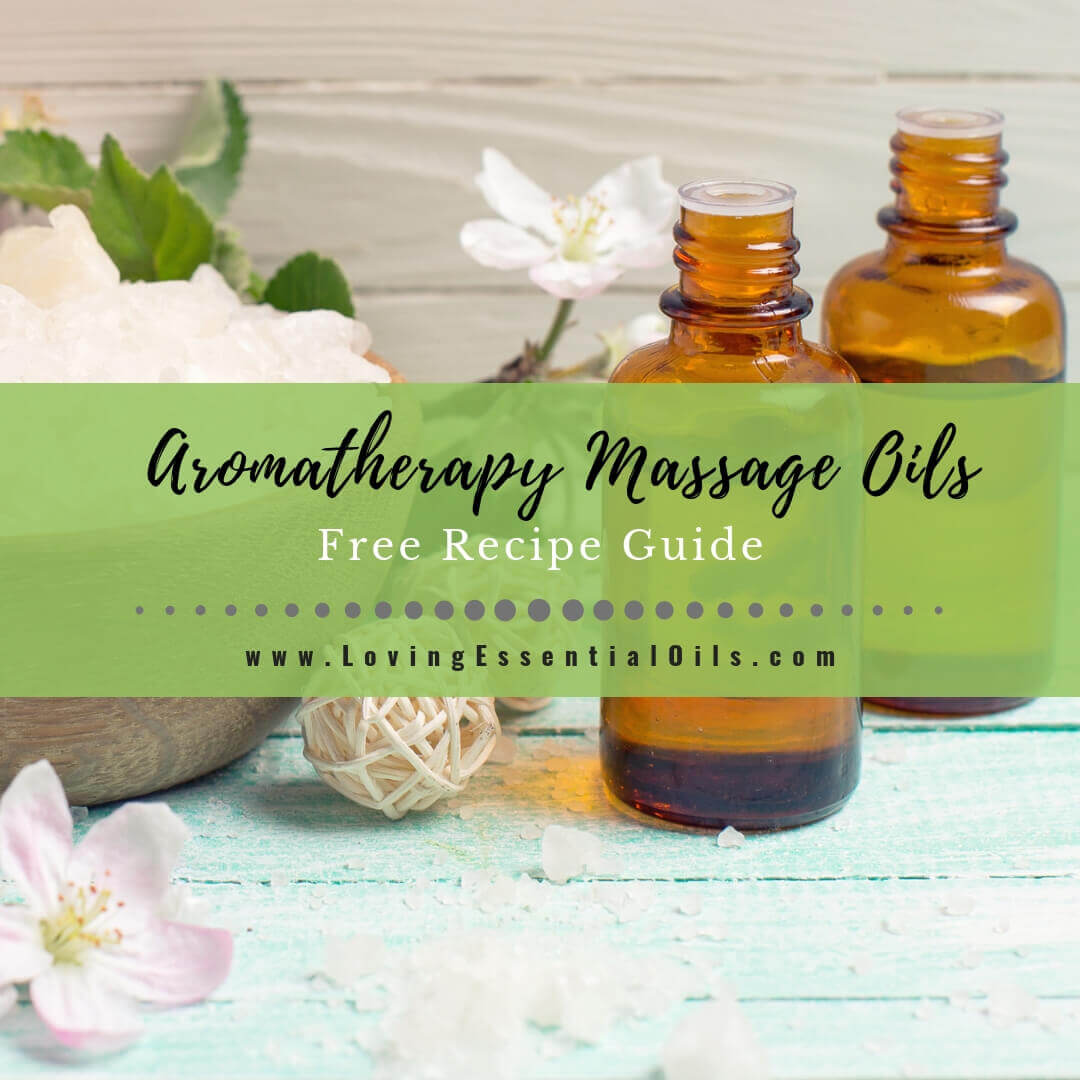
Transfer to a Dark Bottle: This step is crucial for preserving the integrity and potency of your essential oils. Store your homemade massage oil in a dark glass bottle (amber or cobalt blue are ideal) to protect it from light degradation. While clear bottles are great for visibility in photos, they aren't suitable for long-term storage.
7.
Label and Store: Label your bottle with the date and ingredients. Store it in a cool, dark place away from direct sunlight and heat. Your
homemade massage oil should last for 3-4 months, or as long as the carrier oil's shelf life allows. Always shake well before each use, as essential oils can separate over time.
Beyond Relaxation: Targeted Massage Oil Uses
Your freshly made
diy homemade massage oil isn't just for general relaxation; it can be specifically tailored and used for various parts of your body, offering unique benefits.
Rejuvenating Hands & Feet
Our hands and feet work tirelessly for us, bearing the brunt of daily activities. A dedicated massage for these areas can be incredibly therapeutic. The reference context highlights how much relief this can bring, especially for those on their feet all day.
*
Technique: Apply a generous amount of oil to your hands or feet. For feet, start with the toes, gently pulling each one, then work your way up to the arches and heels with firm, circular motions. For hands, focus on the palms, the back of the hand, and individual fingers.
*
Benefits: Eases muscle fatigue, improves circulation, softens skin, and provides a profound sense of overall relaxation. An invigorating blend like mint and eucalyptus is particularly revitalizing here.
Nourishing Facial Massage
A facial massage is a wonderful addition to your evening routine. As highlighted in the reference, it's not only relaxing but also fantastic for your skin. For facial use, especially if you have sensitive skin, consider using pure jojoba oil without any essential oils, or a very low dilution (0.5% or less) of gentle essential oils like lavender or frankincense.
*
Technique: Place a few drops of oil onto clean fingertips. Starting at your chin, gently massage upwards and outwards in small, soft circles. Work your way up to your cheeks, nose, forehead, and temples. Be extra gentle around the delicate eye area.
*
Benefits: Stimulates circulation, promotes lymphatic drainage (reducing puffiness), enhances skin's natural glow, and deeply moisturizes. It can also help relieve tension in facial muscles and improve product absorption.
Full Body Bliss
Don't limit the luxury! Your custom massage oil can be used for a full-body experience, whether for self-care or with a partner. For more inspiration on how to make your own blends for various purposes, including gifts, explore
DIY Homemade Massage Oil: Easy Gifts for Relaxation.
Tips for Success & Safe Use
To ensure the best experience with your
homemade massage oil, keep these tips in mind:
*
Patch Test First: Always perform a patch test on a small area of skin (e.g., inner forearm) before widespread application, especially when using new essential oils, to check for any allergic reactions or sensitivities.
*
Quality Matters: Invest in high-quality, therapeutic-grade essential oils and cold-pressed, unrefined carrier oils. This ensures purity, potency, and safety.
*
Adjust to Preference: The suggested essential oil drops are a guideline. Feel free to adjust the concentration to your personal scent preference and sensitivity. Remember, less is often more with essential oils.
*
Storage is Key: Protect your valuable blend from light, heat, and air by using dark glass bottles and storing in a cool, dark place. This preserves the therapeutic properties and extends shelf life.
*
Observe Shelf Life: Most homemade blends are best used within 3-4 months. Pay attention to the expiration date of your carrier oil, as it often dictates the overall shelf life of your blend. If the oil develops an off odor or changes color, discard it.
*
Consult Professionals: If you are pregnant, nursing, have a medical condition, or are unsure about using certain essential oils, consult with a qualified aromatherapist or healthcare provider.
Creating the Perfect Gift: Personalized Massage Oil Blends
A
diy homemade massage oil makes an incredibly thoughtful and personal gift. The ability to customize the scent and benefits for each recipient truly makes it special. Consider the person's preferences, favorite aromas, or specific needs (e.g., a relaxing blend for someone stressed, an invigorating one for an active friend). Pair it with a handwritten label and a simple bow, and you have a gift that speaks volumes about care and thoughtfulness.
In conclusion, crafting your own
diy homemade massage oil is a rewarding journey into natural wellness. It’s an accessible way to integrate aromatherapy and self-care into your daily routine, offering a customizable path to relaxation, rejuvenation, and healthy skin. With a little creativity and these simple guidelines, you can blend an exquisite massage oil that truly nurtures your body and soothes your mind, turning everyday moments into extraordinary escapes.